Artificial intelligence (AI) is changing the workplace faster than many Americans expected. While automation has reshaped industries for decades, newer AI technologies are beginning to affect white-collar and knowledge-based jobs in fields such as customer service, administration, technology, and healthcare documentation. For some workers, this shift means increased productivity and new opportunities. For others, it means layoffs, reduced hours, lower wages, or difficulty finding comparable work.
At Hoskins, Turco, Lloyd & Lloyd, our Florida bankruptcy attorneys are already seeing how unexpected income disruption—regardless of the cause—can quickly spiral into mounting debt, missed payments, and serious financial hardship. If AI-related job loss has affected your household, understanding your legal options may help you regain control before debt becomes overwhelming.
Is AI actually causing job loss?
The short answer: yes, but the full picture is more nuanced.
Researchers, economists, and employers increasingly agree that AI is reshaping employment patterns, especially for jobs involving repetitive, administrative, or text-based tasks. According to the World Economic Forum, global employers expect technology-driven transformation to displace millions of jobs over the next several years while also creating new opportunities requiring different skill sets.
Meanwhile, research from Goldman Sachs estimates that roughly 6–7% of workers could experience displacement during AI adoption, with unemployment impacts depending heavily on how quickly businesses automate tasks. Faster adoption may lead to sharper short-term labor disruption and higher unemployment. For workers caught in the middle of layoffs, downsizing, or pay cuts, the financial consequences can feel immediate and severe.
The direct connection of job loss to bankruptcy
Income loss has long been one of the strongest predictors of personal bankruptcy.
Research on consumer bankruptcy consistently shows that job interruption, reduced earnings, or unemployment often trigger financial distress. One recent analysis found that loss of income was cited by approximately 78% of bankruptcy filers as a major contributing factor.
At the same time, personal bankruptcy filings in the United States have been increasing. Federal court data reported double-digit increases in bankruptcy filings in recent years, reflecting growing financial pressure on American households. In the twelve months ending in 2025, total filings rose by more than 11%, with non-business bankruptcies increasing significantly as families struggled with debt, inflation, and income instability.
In many cases, bankruptcy is not caused by irresponsible spending. It is caused by a sudden financial disruption that leaves families unable to catch up.
How is AI-related job loss leading to financial crisis?
When a paycheck disappears unexpectedly, financial problems tend to cascade. Many individuals affected by layoffs experience:
- Increased reliance on credit cards for everyday living expenses
- Missed mortgage or rent payments
- Falling behind on auto loans or personal loans
- Medical debt after loss of employer-sponsored insurance
- Depleted retirement or savings accounts
- Collection lawsuits, garnishments, or creditor harassment
For workers who eventually find new employment, replacement jobs may pay significantly less or require career transitions. That gap between old income and new income is often where debt begins to snowball.
What should you do if AI job loss has left you in debt?
If AI-related job loss has put you in a difficult financial position, taking action early matters.
1. Avoid draining retirement savings first:
Many people cash out retirement accounts or borrow heavily from 401(k)s to survive unemployment. While every situation is different, retirement funds often receive legal protections in bankruptcy and may be worth preserving. Speaking with a bankruptcy attorney before liquidating assets can help you avoid costly mistakes.
2. Stop using credit cards to “bridge the gap”
Using debt to survive a temporary setback can feel necessary, but many families end up accumulating balances they realistically cannot repay. If minimum payments are becoming impossible, it may be time to evaluate longer-term solutions.
3. Understand your bankruptcy options
Depending on your circumstances, bankruptcy may provide a path to financial recovery.
- Chapter 7 bankruptcy may eliminate qualifying unsecured debts, such as credit card balances, medical bills, and personal loans, giving individuals a financial reset.
- Chapter 13 bankruptcy may allow borrowers to reorganize debt into a structured repayment plan while protecting homes, vehicles, or other important assets.
The right option depends on income, assets, debt type, and long-term goals.
4. Seek legal advice before the situation gets worse
Too many people wait until foreclosure, repossession, lawsuits, wage garnishment, or collection judgments force a decision. The earlier you speak with an experienced bankruptcy attorney, the more options may be available.
Has recent unemployment left you in debt? We can help.
Call 866-930-6435 for a free and confidential consultation with our Florida bankuprtcy attorneys
Losing a job to automation or AI can feel deeply personal, especially when it disrupts a career you spent years building. But financial hardship caused by economic change is nothing new. Technological disruption has reshaped industries for generations, and bankruptcy laws exist to help people recover when circumstances become unsustainable.
At Hoskins, Turco, Lloyd & Lloyd, our experienced bankruptcy attorneys understand that many clients come to us after some of the hardest moments of their lives. Our goal isn’t to judge your situation, but to help you move forward.
We can help you:
- Understand your rights and explore debt relief options
- Determine if filing for bankruptcy is fight for your situation
- Protect your assets under Florida exemption laws
- Stop creditor harassment and collection actions
Contact us today for a free and confidential consultation by calling 866-930-6435.



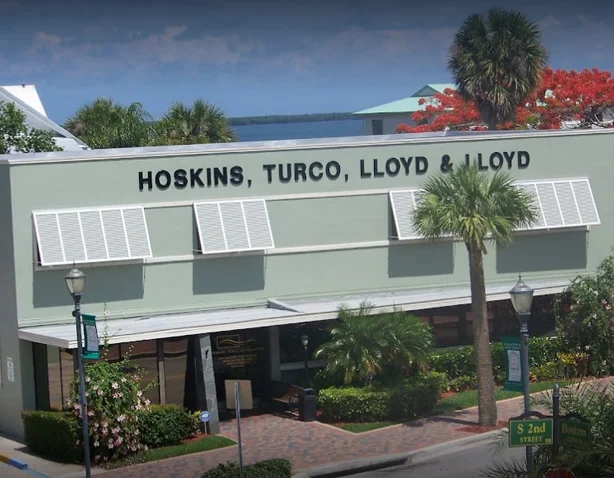

 Port St. Lucie