
With recent conversations about student loan forgiveness, many people have asked us if you can discharge student loans in 2026
Sep 22, 2026

Bankruptcy Posted on Jun 22, 2026

For many individuals and families facing overwhelming financial challenges, bankruptcy offers a path toward a fresh start. One of the most common questions people ask is: What debts can bankruptcy eliminate, and which debts will I still owe afterward?
The answer depends on several factors, including the type of bankruptcy you file, the nature of your debts and your specific financial circumstances. While bankruptcy can eliminate many forms of unsecured debt, certain obligations are generally not dischargeable under federal bankruptcy law.
At Hoskins, Turco, Lloyd & Lloyd, our Florida bankruptcy attorneys help clients understand their options and navigate the bankruptcy process with confidence. Below, we answer some of the most frequently asked questions about bankruptcy discharges.
Many common consumer debts can be discharged through Chapter 7 or Chapter 13 bankruptcy, including:
• Credit card debt
• Medical bills
• Personal loans
• Payday loans
• Utility bills
• Collection accounts
• Certain civil judgments
• Deficiency balances after vehicle repossessions
• Older lease obligations
• Some business-related debts
These debts are generally considered unsecured, meaning they are not backed by collateral such as a house or vehicle.
In many cases, yes. Credit card balances are among the most commonly discharged debts in bankruptcy.
However, there are exceptions. Debts resulting from fraud, intentional misrepresentations or luxury purchases made shortly before filing may not be dischargeable. Courts may closely examine recent charges if they appear to have been incurred without an intent to repay.
Yes. Medical debt is generally dischargeable in bankruptcy and is one of the leading reasons many individuals seek bankruptcy protection.
Whether the bills stem from an emergency room visit, hospitalization, surgery or ongoing treatment, bankruptcy may provide relief from overwhelming medical expenses.
Generally, yes. Most unsecured personal loans and payday loans can be discharged through bankruptcy.
This includes loans from banks, finance companies, online lenders and individuals, provided there is no evidence of fraud or other circumstances that would make the debt non-dischargeable.
Student loans are among the most difficult debts to discharge. Historically, borrowers had to prove “undue hardship” through a separate legal proceeding known as an adversary proceeding. While recent policy changes have made relief more accessible in some situations, student loan discharge remains challenging and highly fact-specific.
If student loan debt is a significant concern, speaking with an experienced Florida bankruptcy attorney is essential.
Certain debts are generally excluded from discharge under federal bankruptcy law, including:
• Most student loans
• Child support obligations
• Alimony or spousal support
• Recent income tax debts
• Criminal fines and restitution
• Debts resulting from fraud
• Debts arising from intentional misconduct
• Certain government penalties
• Debts incurred through embezzlement or theft
The specific facts of each case can affect whether a debt is dischargeable.
Some tax debts may be dischargeable, but many are not. In general, older income tax debts may qualify for discharge if they meet specific requirements involving filing dates, assessment periods and other legal criteria. Payroll taxes, fraud penalties and many recent tax obligations typically cannot be discharged. A Florida bankruptcy attorney can review your tax history to determine whether relief may be available.
No. Domestic support obligations, including child support and spousal support, are generally not dischargeable in bankruptcy. These obligations remain enforceable even after a bankruptcy case is completed.
Bankruptcy does not automatically eliminate liens on secured property.
If you wish to keep a home or vehicle, you generally must continue making payments according to the loan agreement. If payments are not maintained, the lender may still have the right to foreclose or repossess the collateral.
Depending on your circumstances, Chapter 13 bankruptcy may offer options for catching up on missed payments.
Chapter 7 bankruptcy focuses on eliminating qualifying debts through liquidation.
Chapter 13 bankruptcy involves a court-approved repayment plan lasting three to five years, after which eligible remaining balances may be discharged. The type of bankruptcy that best suits your situation depends on your income, assets, debts and long-term financial goals.
Every financial situation is unique. The dischargeability of a debt often depends on factors such as the type of debt, when it was incurred and whether any exceptions apply.
An experienced bankruptcy attorney can review your financial circumstances, explain your options and help you determine which debts may be eliminated through bankruptcy.
Call 866-930-6435 to speak with our Florida bankruptcy attorneys
If overwhelming debt is preventing you from moving forward, you do not have to face it alone. Bankruptcy may provide a powerful path toward financial stability, stopping creditor harassment, preventing collection actions and helping you eliminate or restructure debt. The key is understanding which solution is right for your unique circumstances.
For decades, the Florida bankruptcy attorneys at Hoskins, Turco, Lloyd & Lloyd have helped individuals and families throughout the Treasure Coast and across Florida regain control of their financial futures. Whether you are struggling with credit card debt, medical bills, wage garnishments, foreclosure or other financial challenges, our team can help you evaluate your options and develop a strategy tailored to your goals.
Contact us today for a free and confidential consultation by calling 866-930-6435.

With recent conversations about student loan forgiveness, many people have asked us if you can discharge student loans in 2026

Running a small business on the Treasure Coast means dealing with seasonal tourism swings, rising insurance costs, supply-chain headaches, and

When people think about bankruptcy, they often imagine someone who spent too much, borrowed irresponsibly, or simply mismanaged money. But
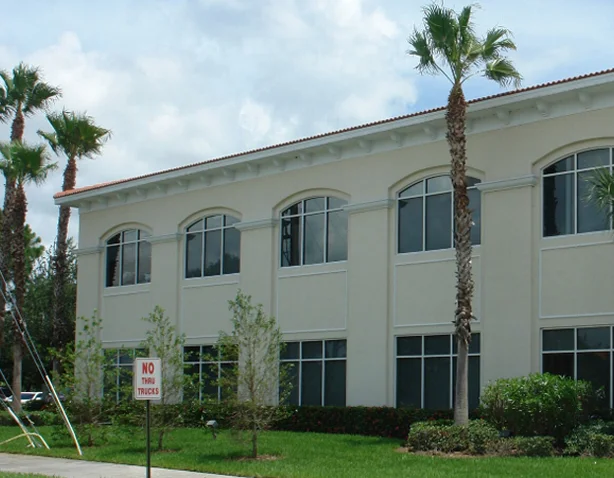
Phone: (772) 344-7770
Fax: (772) 344-3838
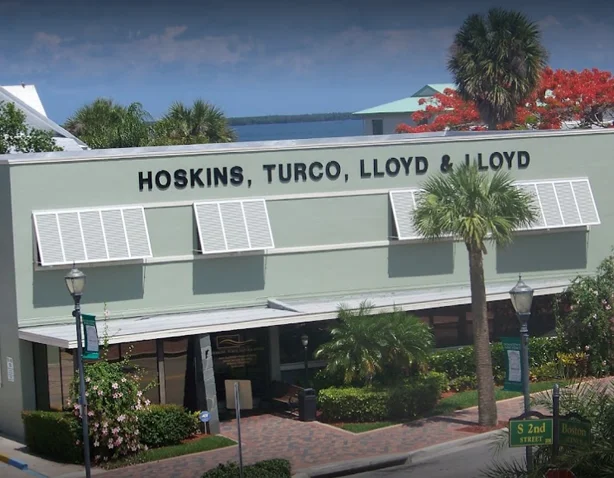
Phone: (772) 464-4600
Fax: (772) 465-4747
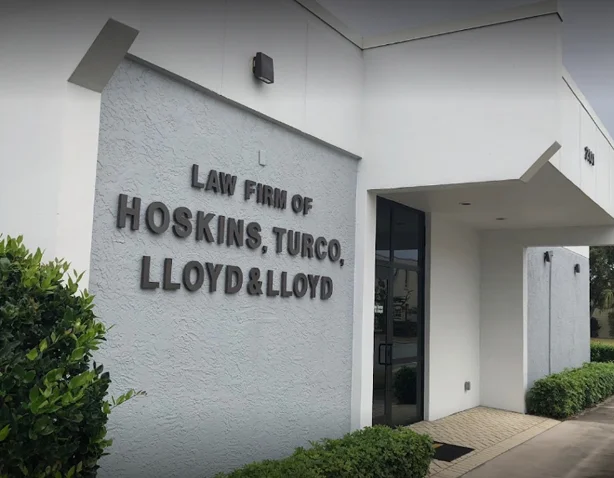
Phone: (772) 577-7551
Fax: (772) 794-7773
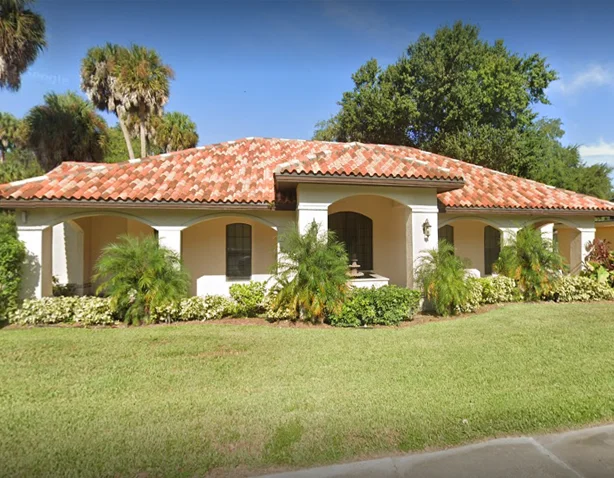
Phone: (863) 357-5800
Fax: (863) 763-2237
As the law firm Florida has trusted for over 40 years to fight on their behalf, we are more than ready to represent you. Put our experience and reputation to work. If you need help with any legal matter, whether it’s a personal injury, workers’ compensation, disability or bankruptcy case, contact us now. The consultation is absolutely free.
Get the answers you need. We’ll review your case today, for free.
Se Habla Español
"*" indicates required fields
 Port St. Lucie