
Back pain and chronic pain can affect nearly every part of your day. Sitting through a meeting, standing at a
Oct 29, 2026

Social Security Disability Posted on Jun 30, 2026

Mental health conditions can be every bit as disabling as physical illnesses. If you’re wondering whether you can qualify for disability for anxiety or depression in 2026, the short answer is yes. However, receiving Social Security Disability (SSD) benefits isn’t automatic.
The Social Security Administration (SSA) requires applicants to provide medical evidence showing that their anxiety, depression, or other mental health condition prevents them from working for at least 12 months.
If you or a loved one is struggling with a disabling mental health condition, understanding how the disability process works can improve your chances of approval. Below our Social Security Disability attorneys explain how the SSA evaluates mental health conditions, the types of evidence you need, and what to do if your claim is denied.
Yes. The SSA recognizes anxiety disorders, depressive disorders, and several other mental health conditions as potentially disabling impairments. However, the agency focuses less on the name of your diagnosis and more on how your condition affects your ability to function in a work environment.
The SSA’s Adult Mental Disorders Listing explains how it evaluates mental health conditions, including depression, anxiety disorders, obsessive-compulsive disorder (OCD), bipolar disorder, schizophrenia, and post-traumatic stress disorder (PTSD).
If your symptoms prevent you from maintaining regular employment, you may qualify for disability benefits.
Several mental health disorders may qualify for SSD benefits, including:
Every disability claim is unique. Even two people with the same diagnosis may receive different decisions depending on the severity of their symptoms and how those symptoms impact daily functioning.
The SSA follows a structured disability evaluation process when reviewing every application. Rather than relying solely on your diagnosis, the agency examines your medical records, treatment history, and functional limitations.
The SSA explains this evaluation process in detail here.
During its review, the SSA may consider:
Strong medical evidence is often the foundation of a successful disability claim.
Not always. The SSA maintains the Listing of Impairments, commonly known as the Blue Book, which identifies medical conditions that may automatically qualify for disability benefits when specific criteria are met.
If your condition meets or medically equals one of these listings, you may qualify for benefits without additional vocational analysis.
However, many applicants who do not meet a listing are still approved through a Residual Functional Capacity (RFC) assessment. This evaluation determines whether your symptoms prevent you from performing your previous job or adjusting to other work available in the national economy.
One of the most common reasons disability applications are denied is a lack of sufficient medical evidence.
The SSA emphasizes that disability decisions must be supported by objective medical documentation, not simply a person’s description of their symptoms. You can review the agency’s explanation of disability evidence requirements here.
Helpful evidence may include:
Many deserving applicants receive an initial denial. Some of the most common reasons include:
Fortunately, an initial denial does not mean your case is over. Many successful disability claims are approved during the appeals process after additional evidence is submitted.
Call 866-930-6435 for a free consultation
Applying for SSD benefits for anxiety or depression can feel overwhelming, especially when you’re already coping with a serious mental health condition. The experienced Florida Social Security Disability attorneys at Hoskins, Turco, Lloyd & Lloyd understand the challenges applicants face and are committed to helping clients pursue the benefits they deserve.
Whether you’re filing your first application, need assistance gathering medical evidence, or your claim has recently been denied, our legal team can guide you through every stage of the disability process. We have extensive experience handling SSD appeals and know how to build strong cases supported by the evidence the SSA expects to see.
If you’d like to learn more about getting SSD benefits for anxiety or depression, need help with your claim, or want to appeal a recent denial, contact Hoskins, Turco, Lloyd & Lloyd today to schedule a consultation. Our team is ready to fight for the benefits you’ve earned.
Call 866-930-6435 to schedule your free consultation today.

Back pain and chronic pain can affect nearly every part of your day. Sitting through a meeting, standing at a

The VA disability rating system assigns a percentage, usually from 0% to 100% in 10% steps, that measures how much
Post-traumatic stress disorder (PTSD) can affect nearly every part of a veteran’s life—from sleep and relationships to concentration, employment and
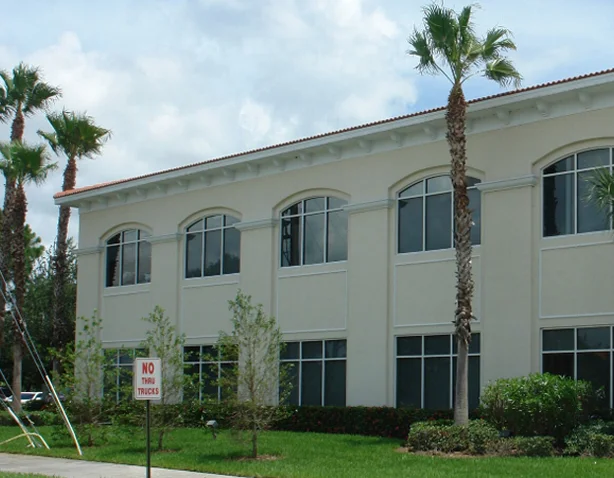
Phone: (772) 344-7770
Fax: (772) 344-3838
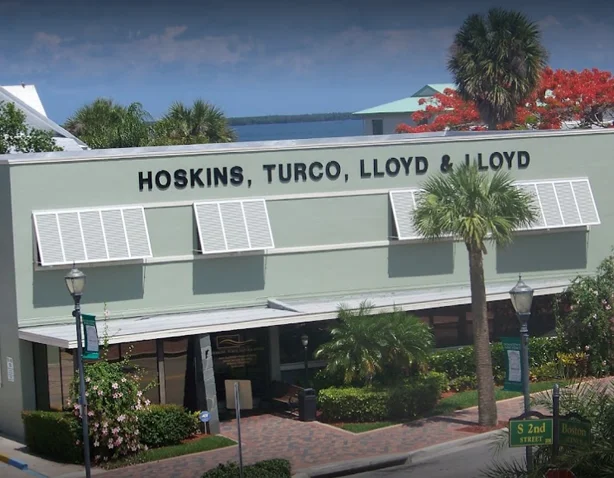
Phone: (772) 464-4600
Fax: (772) 465-4747
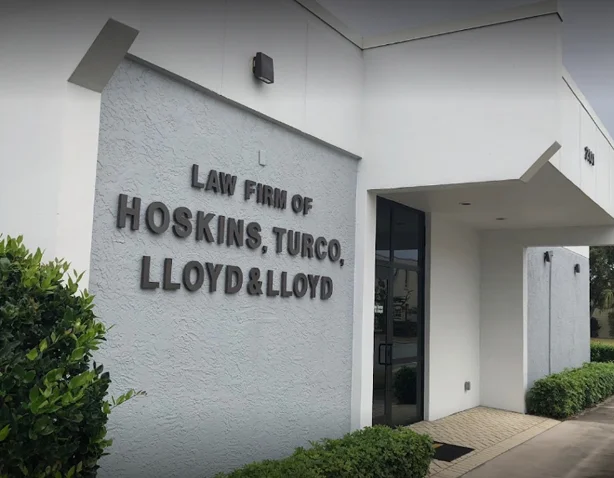
Phone: (772) 577-7551
Fax: (772) 794-7773
Phone: (863) 357-5800
Fax: (863) 763-2237
As the law firm Florida has trusted for over 40 years to fight on their behalf, we are more than ready to represent you. Put our experience and reputation to work. If you need help with any legal matter, whether it’s a personal injury, workers’ compensation, disability or bankruptcy case, contact us now. The consultation is absolutely free.
Get the answers you need. We’ll review your case today, for free.
Se Habla Español
"*" indicates required fields
 Port St. Lucie