
Back pain and chronic pain can affect nearly every part of your day. Sitting through a meeting, standing at a
Oct 29, 2026

Social Security Disability Posted on Aug 21, 2026
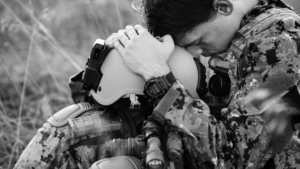
Post-traumatic stress disorder (PTSD) can affect nearly every part of a veteran’s life—from sleep and relationships to concentration, employment and the ability to feel safe in everyday situations. If your PTSD is connected to trauma you experienced during military service, you may be entitled to VA disability for PTSD.
Unfortunately, having PTSD does not automatically mean the VA will approve your claim. You must establish that your condition meets the VA’s requirements for service connection and provide evidence supporting both your diagnosis and its relationship to an in-service traumatic event.
At Hoskins, Turco, Lloyd & Lloyd, we understand how difficult it can be to revisit traumatic experiences while navigating a complicated benefits system. Below, our veterans’ disability attorneys explain how to qualify for VA disability for PTSD, what evidence can strengthen your claim and what you can do if the VA denies you benefits.
VA disability compensation is a monthly, tax-free benefit available to eligible veterans with disabilities connected to their military service. PTSD can qualify as a service-connected mental health disability when the VA’s requirements are met.
According to the VA, a veteran seeking PTSD disability compensation generally needs a PTSD diagnosis and symptoms related to a traumatic event, or “stressor,” that occurred during military service.
PTSD may develop after many different types of traumatic military experiences. The VA specifically recognizes stressors that can include combat, fear of hostile military or terrorist activity, military sexual trauma, physical assault and other traumatic personal interactions.
At its core, a successful VA PTSD claim generally needs to establish three things:
The VA states that eligibility for PTSD disability compensation requires a doctor to diagnose PTSD and the stressor to have occurred during service, with the veteran’s symptoms related to that traumatic event.
The details matter. The evidence required to establish a stressor can vary depending on what happened, where and how you served, and the type of trauma involved.
A strong PTSD claim tells a consistent, well-supported story: what happened during your service, how it affected you and how PTSD continues to affect your life today.
The VA may consider service records, VA and private medical records, and supporting statements from people who know about your condition or the events surrounding it. For PTSD and other mental health claims involving an in-service traumatic event, the VA identifies VA Form 21-0781, Statement in Support of Claimed Mental Health Disorder(s) Due to an In-Service Traumatic Event(s), as an additional form that may be needed.
Useful evidence may include medical records documenting your diagnosis and treatment, service treatment and personnel records, information corroborating the traumatic event, and lay or “buddy” statements from people who served with you or have witnessed changes in your behavior and functioning.
The VA expressly recognizes lay evidence as a potential source of support for disability claims. Statements can come from fellow service members, family, friends and others with firsthand knowledge of relevant events or symptoms.
A stressor is the traumatic event connected to the development of PTSD. It does not have to mean direct combat.
The VA recognizes a range of potentially qualifying traumatic experiences, including combat experiences, fear of hostile military or terrorist activity, sexual assault or harassment, and traumatic personal interactions such as assault, robbery, stalking or domestic abuse.
The important question is not simply whether something traumatic happened, but whether your claim contains sufficient evidence to satisfy the applicable VA requirements and connect that experience to your PTSD.
Establishing service connection is only part of a PTSD claim. The VA must also determine the severity of the disability, which affects the amount of compensation a veteran receives.
For mental health conditions, the VA evaluates the level of occupational and social impairment associated with symptoms. That means the impact of PTSD on your ability to work, maintain relationships and function in everyday life can be highly important.
This is why accurately describing the full impact of your PTSD matters. Symptoms such as sleep problems, anxiety, depression, impaired concentration, difficulty adapting to stressful situations, problems maintaining relationships or other serious limitations may affect the VA’s assessment depending on their severity, frequency and impact.
A veteran should not minimize symptoms during a VA examination simply because they have learned to live with them.
The VA may schedule a Compensation and Pension (C&P) examination as part of evaluating your PTSD claim.
This is not simply a treatment appointment. The examiner gathers information the VA may use when deciding issues such as diagnosis, service connection and the severity of your condition.
Be truthful and specific about your symptoms and limitations. Think beyond how you happen to feel on the day of the examination. Explain how PTSD affects your life over time, including your work, sleep, concentration, relationships, social functioning and ability to handle stress.
You do not need to exaggerate your symptoms—but minimizing them can also give an incomplete picture of your disability.
A PTSD claim can be denied for numerous reasons. For example, the VA may determine that the evidence does not sufficiently establish a current disability, qualifying in-service event or required connection between the current condition and military service.
A claim can also encounter problems when important medical or service records are missing, evidence concerning the stressor is insufficient, or the available evidence does not adequately explain the relationship between the veteran’s PTSD and service.
A denial does not necessarily mean you do not deserve benefits. It means the VA concluded that the evidence before it did not satisfy the requirements for the benefit sought.
Understanding why the VA denied the claim is therefore critical before deciding what to do next.
If your VA disability claim for PTSD is denied, you may have options to challenge the decision.
The right strategy depends on the reason for the denial and the evidence already in your file. In some cases, the problem may be missing or inadequate evidence. In others, the dispute may concern service connection, the VA’s evaluation of evidence or the disability rating assigned.
Before responding to a denial, carefully review the VA decision and identify what the agency says is missing or unproven. An experienced veterans’ disability attorney at Hoskins, Turco, Lloyd & Lloyd can review the record, identify weaknesses in the claim and determine the appropriate path for seeking further review.
There is no formula that guarantees a VA claim will be approved. However, a well-developed claim should clearly establish the elements the VA needs to decide.
Consistency and detail matter. Your medical evidence, statements about the in-service stressor and descriptions of your current symptoms should give the VA an accurate picture of your condition.
It is also important to document how PTSD affects your daily functioning, not simply the fact that you have been diagnosed. Evidence from medical providers and people who know you can help demonstrate changes in your ability to work, maintain relationships and function day to day.
Finally, respond to VA requests and deadlines promptly. A potentially strong claim can become more difficult when important evidence is missing or procedural requirements are overlooked.
You served your country. You should not have to navigate a complicated VA disability claim alone while also coping with PTSD or other illnesses or impairments.
The veterans’ disability attorneys at Hoskins, Turco, Lloyd & Lloyd have fought for veterans’ disability rights for decades. Our disability team handles VA disability matters involving service connection, increased compensation and individual unemployability, and our attorneys are admitted to practice before the United States Court of Appeals for Veterans Claims.
Whether you are preparing a PTSD claim, received a rating you believe does not reflect the severity of your condition, or have already been denied, we can review your case and help determine your next steps.
Contact Hoskins, Turco, Lloyd & Lloyd for a free, no-obligation consultation about your VA disability claim.
Call 866-930-6435 to schedule your free consultation today.
Do you need combat experience to qualify for VA disability for PTSD?
No. PTSD claims are not limited to combat trauma. The VA recognizes other traumatic events, including military sexual trauma and certain traumatic personal interactions.
What if there is no official record of my traumatic event?
Do not automatically assume you cannot qualify. The evidence needed depends on the circumstances of the stressor, and the VA can consider different forms of supporting evidence. Lay evidence can also be relevant in disability claims.
Can you receive VA disability for PTSD caused by military sexual trauma?
Yes. PTSD associated with military sexual trauma (MST) may qualify for VA disability compensation. One challenge with MST claims is that sexual assault or harassment may never have been formally reported when it occurred. A lack of an official report does not necessarily prevent a veteran from pursuing benefits.
The VA has specific procedures for evidence related to MST claims, and veterans may be able to submit evidence relevant to the traumatic event and resulting mental health condition.
Because these cases can involve highly personal circumstances and specialized evidentiary issues, veterans should not assume that an absence of documentation from the time of the trauma makes a claim impossible.
Can family or fellow service members provide evidence for my PTSD claim?
Yes. The VA accepts supporting statements as evidence in disability claims. Depending on the circumstances, statements from fellow service members, family members, friends or others may provide important information about an event or how your condition has affected you.
Can I appeal if my VA PTSD claim is denied?
A denial does not necessarily end your claim. Veterans have options for seeking review of unfavorable VA disability decisions, and the best approach depends on the specific decision and evidence involved. An attorney can review the denial and help determine the appropriate next step.
Call 866-930-6435 for a free, no-obligation consultation about your VA disability claim.

Back pain and chronic pain can affect nearly every part of your day. Sitting through a meeting, standing at a

The VA disability rating system assigns a percentage, usually from 0% to 100% in 10% steps, that measures how much

Mental health conditions can be every bit as disabling as physical illnesses. If you’re wondering whether you can qualify for
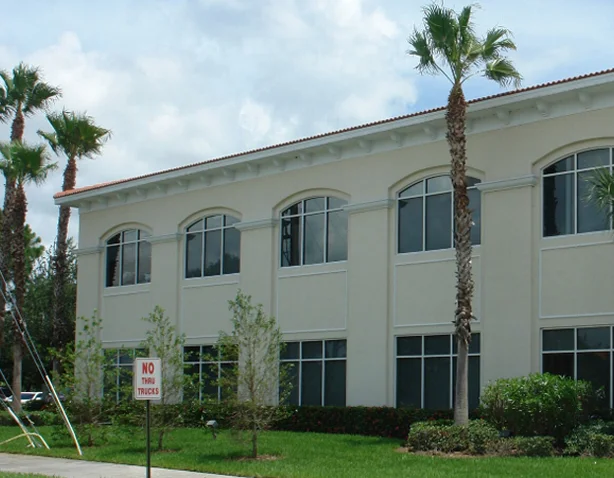
Phone: (772) 344-7770
Fax: (772) 344-3838
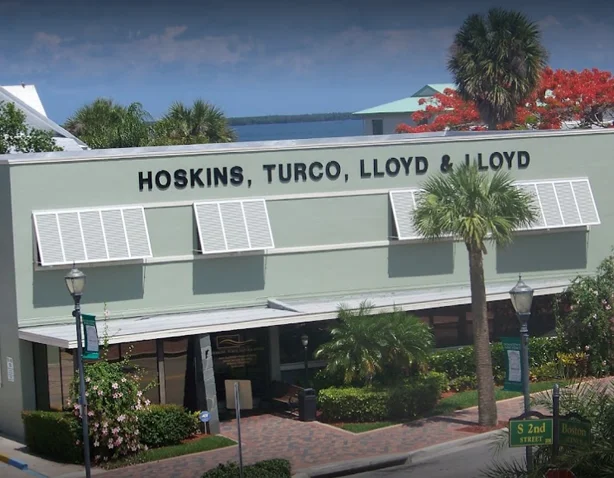
Phone: (772) 464-4600
Fax: (772) 465-4747
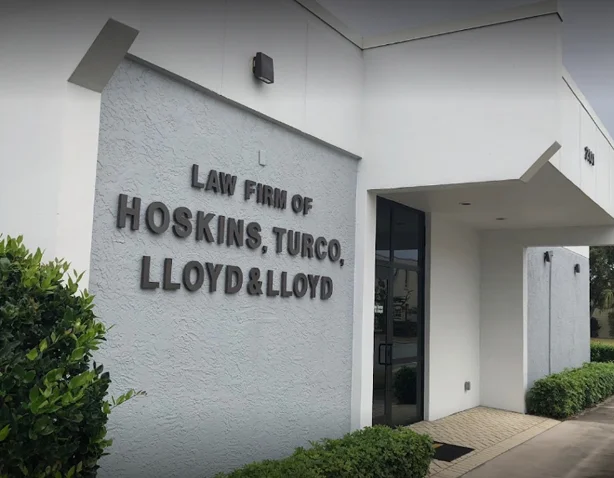
Phone: (772) 577-7551
Fax: (772) 794-7773
Phone: (863) 357-5800
Fax: (863) 763-2237
As the law firm Florida has trusted for over 40 years to fight on their behalf, we are more than ready to represent you. Put our experience and reputation to work. If you need help with any legal matter, whether it’s a personal injury, workers’ compensation, disability or bankruptcy case, contact us now. The consultation is absolutely free.
Get the answers you need. We’ll review your case today, for free.
Se Habla Español
"*" indicates required fields
 Port St. Lucie